Talk to us
Phone:310-855-3688
Fax:310-855-3390

 10390 Santa Monica Blvd, Suite 340
 Phone: 310-855-3688
 Fax: 310-855-3390
 Email: contact@beverlyfertility.com

When trying to conceive, timing, lifestyle, and overall health all play an important role. Research from the American Society of Reproductive Medicine (ASRM) offers helpful, evidence-based guidance for couples hoping to maximize their chances of pregnancy.
Today, we will break it down for you so that you will better understand the fertility journey.
The fertile window is a six-day interval that ends on the day of ovulation. Studies show that the highest chance of pregnancy occurs when intercourse happens in the two days leading up to ovulation. While a single well-timed encounter can result in pregnancy, reproductive
efficiency is maximized when intercourse occurs more frequently throughout the fertile window, rather than just once.
Because timing matters, tracking ovulation using ovulation predictor kits, cycle tracking, or fertility monitoring can be especially helpful.
A common misconception is that frequent ejaculation reduces sperm quality. Research shows that daily ejaculation does not significantly affect sperm concentration, motility, or overall quality. In contrast, prolonged abstinence (10 days or more) has been associated with poorer sperm parameters. For couples, regular intercourse during the fertile window is both safe and beneficial.
A healthy diet supports overall reproductive health. For women trying to conceive naturally, diets rich in vegetables, low-glycemic carbohydrates, monounsaturated fats, and iron have been associated with a lower risk of infertility related to ovulatory dysfunction.
However, evidence linking specific diets to improved fertility outcomes, especially for those using assisted reproductive technologies (ART), is mixed.
That said, patterns such as Mediterranean and Dutch diets have been associated with higher live birth rates in some studies. While no single diet guarantees improved fertility, maintaining a healthy lifestyle is consistently recommended.
Folic acid supplementation is especially important, as it reduces the risk of neural tube defects. The neural tube plays a critical role in the development of the baby’s brain and spinal cord.
Certain exposures and habits may negatively impact fertility. Elevated mercury levels, often from heavy seafood consumption, have been linked to infertility. Additionally, alcohol abuse, smoking, recreational drug use, and high caffeine intake may reduce fertility in both men and women and should be avoided when trying to conceive.
There is no one-size-fits-all approach to fertility, but science supports a few key principles:
– Track ovulation and time intercourse during the fertile window.
– Maintain regular intercourse rather than prolonged abstinence.
– Eat a balanced, nutritious diet.
– Take recommended supplements such as folic acid.
– Avoid harmful substances and prioritize a healthy lifestyle.
If you have questions about optimizing your fertility or would like personalized guidance, our team at Beverly Hills Fertility is here to help you every step of the way.
Protected: Ovarian Cysts and Fertility: What You Should Know
February 23, 2026
Male Infertility: Causes, Diagnosis, and Treatment Options
February 19, 2026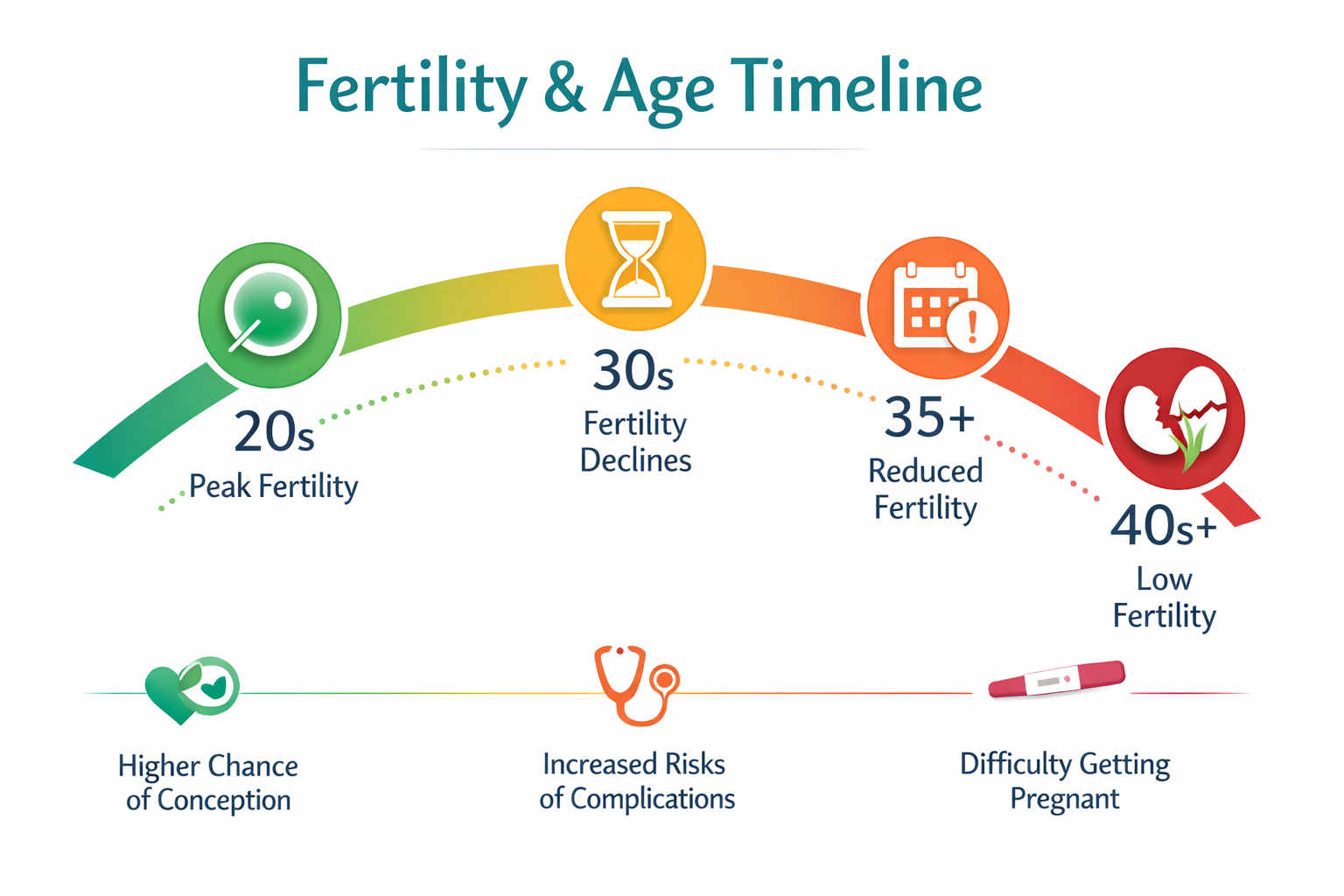
Fertility by Age: IVF Success Rates & What to Expect
February 7, 2026We understand that you are likely experiencing a variety of emotions regarding starting a family with the help of a fertility specialist. The first information we impart to new patients is that infertility is common and there can actually be several reasons for infertility in a person or a couple. This is why we start with a full workup, so we have a complete picture with which we can base our treatment plans.

By understanding you and your goals for starting a family, we can provide truly individualized care. We aim to guide you through the process so you can make informed decisions and feel confident throughout your treatment process.

10390 Santa Monica Blvd, Suite 340
Los Angeles, CA 90025
Let’s start your parenthood journey here. Ask us how
 Phone:
 Fax:
Fax: Email:
 VIEW MAP