Talk to us
Phone:310-855-3688
Fax:310-855-3390

 10390 Santa Monica Blvd, Suite 340
 325 Rolling Oaks Dr Ste 110
 Phone: 310-855-3688
 Fax: 310-855-3390
 Email: contact@beverlyfertility.com

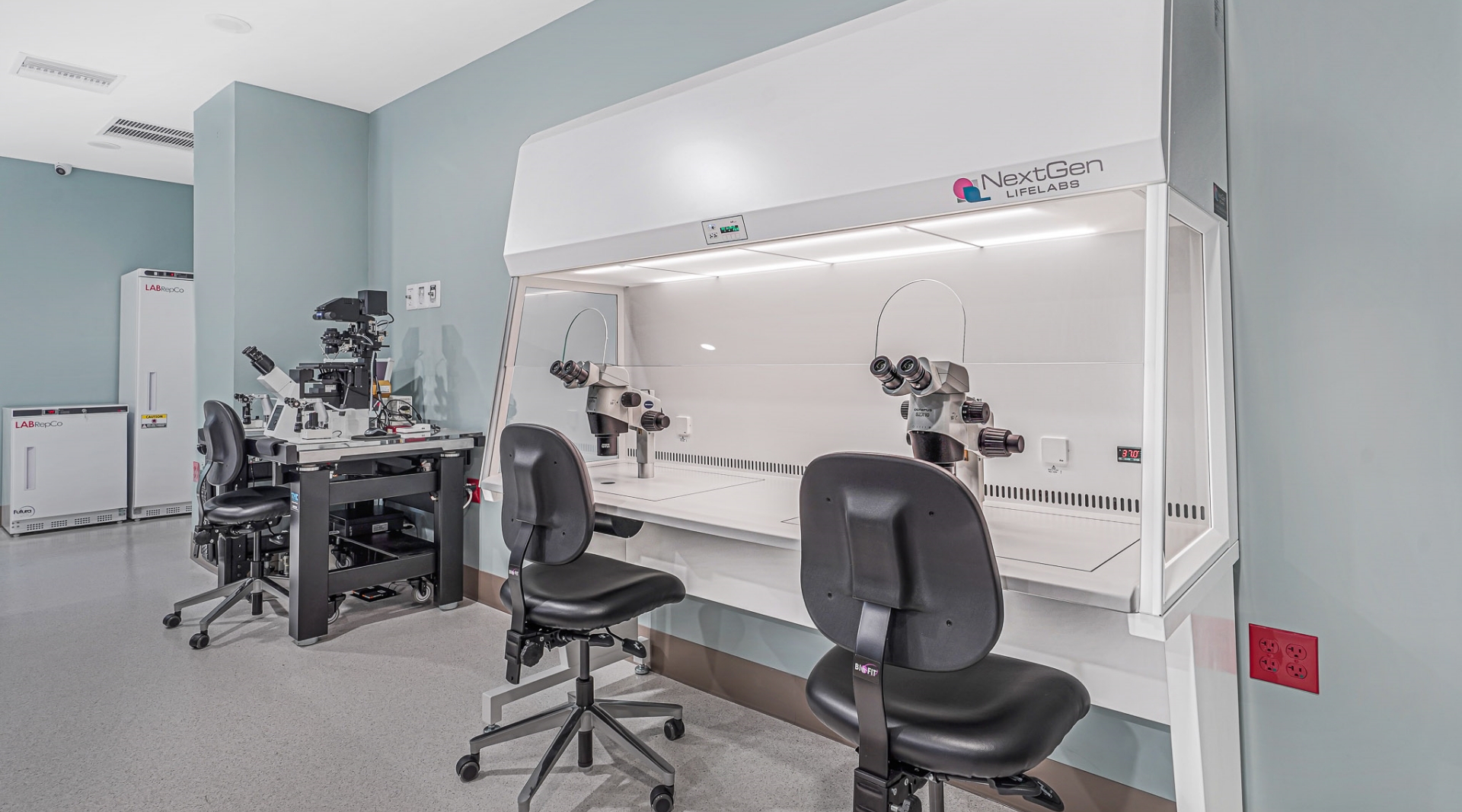
Advances in reproductive technology have made it possible to learn more about embryos before pregnancy begins.
Two important types of genetic testing used during IVF are PGT-A and PGT-M. These two tests serve different purposes and can play a crucial role in helping intended parents make informed decisions.
PGT-A (Preimplantation Genetic Testing for Aneuploidy) is used to screen embryos for chromosomal abnormalities, specifically, whether an embryo has the correct number of chromosomes.
PGT-M (Preimplantation Genetic Testing for Monogenic Disorders) is used to detect specific inherited genetic conditions caused by mutations in a single gene.
Both tests are performed on a small biopsy taken from the embryo during IVF.
PGT-A helps classify embryos into three main categories:
It’s important to understand that mosaicism is complex. Because only a small sample of cells is tested, it’s not always possible to determine the exact proportion of abnormal cells in the entire embryo. For this reason, decisions about mosaic embryos are made carefully.
PGT-A helps identify which embryos are most likely to lead to a healthy pregnancy. By prioritizing euploid embryos, clinicians can improve implantation success rates, reduce the risk of miscarriage, and increase the chances of healthy birth.
PGT-M is recommended for individuals or couples who are at risk of passing down a specific genetic condition. This includes inherited disorders caused by mutation in a single gene.
You may benefit from PGT-M if:
During the testing process, a few cells are carefully removed from the outer layer of the embryo, known as the trophectoderm. These cells will eventually form the placenta. Importantly, the inner cell mass, the part that develops into the fetus, is not disturbed. This approach allows for genetic analysis while preserving the embryo’s developmental potential.
Before starting IVF, egg freezing, or embryo creation, it is strongly recommended to undergo genetic carrier screening. This testing helps determine whether you or your partner carry genes that could lead to inherited conditions.
If a risk is identified, PGT-M can then be used to test embryos and ensure that only those without the condition are selected for transfer.
Both PGT-A and PGT-M provide valuable insights that can guide embryo selection and reduce the risk of genetic conditions. While no test can guarantee a perfect outcome, these tools significantly improve the ability to make informed decisions.
If you’re considering IVF, speak with your fertility specialist at Beverly Hills Fertility to help you understand which testing options are right for you and your family-building goals.
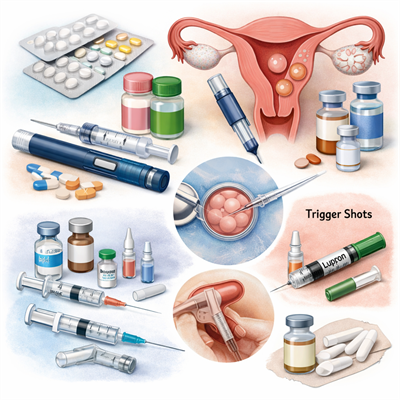
Fertility Medications Explained for IVF & IUI Success
April 2, 2026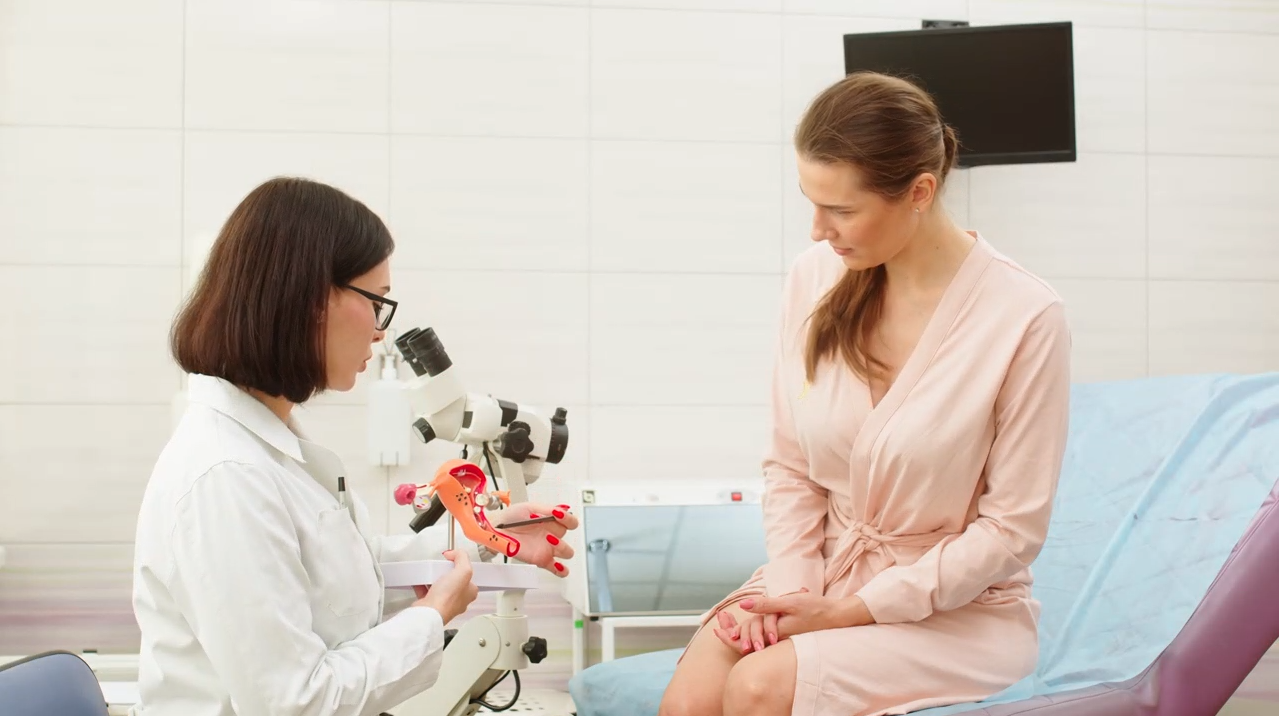
What is Ovarian Hyperstimulation Syndrome?
March 27, 2026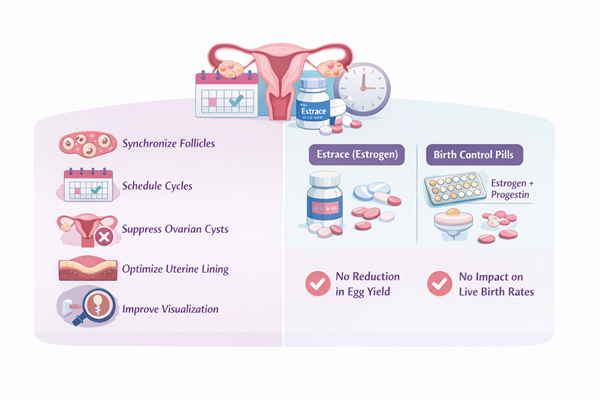
IVF Cycle Priming: Why Estrace or Birth Control?
March 23, 2026We understand that you are likely experiencing a variety of emotions regarding starting a family with the help of a fertility specialist. The first information we impart to new patients is that infertility is common and there can actually be several reasons for infertility in a person or a couple. This is why we start with a full workup, so we have a complete picture with which we can base our treatment plans.

By understanding you and your goals for starting a family, we can provide truly individualized care. We aim to guide you through the process so you can make informed decisions and feel confident throughout your treatment process.
10390 Santa Monica Blvd, Suite 340
Los Angeles, CA 90025325 Rolling Oaks Dr Ste 110
Thousand Oaks, CA 91361
Let’s start your parenthood journey here. Ask us how
 Phone:
 Fax:
Fax: Email:
 VIEW MAP