Talk to us
Phone:310-855-3688
Fax:310-855-3390

 10390 Santa Monica Blvd, Suite 340
 Phone: 310-855-3688
 Fax: 310-855-3390
 Email: contact@beverlyfertility.com

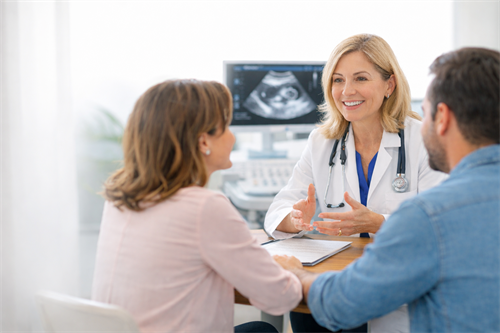
Ovarian cysts are commonly found in reproductive-aged women. Studies suggest that cysts larger than 3 cm are seen in roughly 4–7% of women before starting oral contraceptives. While many ovarian cysts are harmless and temporary, different types of cysts may cause different symptoms and effects on fertility.
Some cysts can produce hormones, which may influence how a fertility treatment cycle is managed. Because of this, physicians often monitor cysts carefully before beginning fertility treatments such as IVF.
Ovarian cysts generally fall into two categories: functional cysts and nonfunctional cysts. Understanding the differences can help explain how they may affect fertility and treatment planning.
A paraovarian cyst forms outside the ovary, usually within the broad ligament rather than from the ovarian tissue itself. Unlike functional ovarian cysts, paraovarian cysts do not arise from ovulation and are typically hormonally inactive.
Common symptoms may include pelvic pain, lower abdominal pain, and pain during intercourse. Although these cysts are often harmless, larger cysts can sometimes lead to complications such as torsion of the ovaries or fallopian tubes, rupture, or distortion of nearby reproductive structures.
Functional ovarian cysts develop as part of the normal ovulatory process and are hormonally active. These include follicular cysts and corpus luteum cysts, which may produce hormones such as estradiol or progesterone.
Because they secrete hormones, functional cysts may disrupt menstrual cycles, cause pelvic discomfort, and interfere with ovarian stimulation during fertility treatment. They can also increase the risk of ovarian torsion.
Some studies have found that functional cysts may be associated with premature luteinizing hormone (LH) surges, poor ovarian response, and higher cycle cancellation rates during IVF. However, research findings are mixed, and not all studies demonstrate a negative impact on the number of eggs retrieved.
Nonfunctional cysts do not produce hormones, but they may still influence fertility treatment outcomes. Research has shown that patients with nonfunctional cysts sometimes require higher doses of gonadotropins during ovarian stimulation.
These patients may also experience lower peak estradiol levels and produce fewer follicles in the ovary containing the cyst. This suggests that even hormonally inactive cysts may subtly affect ovarian function and follicular development.
Although research findings are not always consistent, the presence of ovarian cysts can sometimes affect fertility treatment cycles. Hormone-producing cysts may interfere with ovarian stimulation protocols or alter hormone levels during treatment.
For this reason, many physicians evaluate cysts carefully during a baseline ultrasound before beginning treatment. If a cyst appears large or hormonally active, the physician may recommend postponing the cycle until the cyst resolves.
Hormonal contraception is commonly used to help manage ovarian cysts. Birth control pills contain estrogen and progestin, which provide negative feedback to the brain and suppress the release of follicle-stimulating hormone (FSH) and luteinizing hormone (LH).
By suppressing ovulation and reducing ovarian stimulation, functional cysts may shrink naturally over time.
Although hormonal contraception lowers the risk of developing new cysts, studies suggest that birth control pills do not significantly speed up the resolution of existing ovarian cysts compared with simply waiting.
Functional cysts often resolve spontaneously within four to six weeks. When cysts persist beyond this timeframe, they are more likely to be paraovarian cysts, dermoid cysts, or endometriomas, which are generally less responsive to hormonal suppression.
Persistent or large cysts may require additional monitoring or evaluation by a physician. The best management approach depends on the type of cyst, its size, and whether it produces hormones.
Importantly, not all ovarian cysts interfere with fertility treatment, and many resolve naturally without intervention.
If you have been diagnosed with ovarian cysts or have questions about how they may affect your fertility or IVF treatment, the team at Beverly Hills Fertility is here to help. Our experienced physicians use advanced diagnostic tools and personalized treatment plans to ensure that every aspect of your reproductive health is carefully evaluated before beginning fertility treatment.
Schedule a consultation with Beverly Hills Fertility today to receive personalized guidance and learn about the best treatment options for your unique fertility journey. Our team is here to support you every step of the way toward building your family.
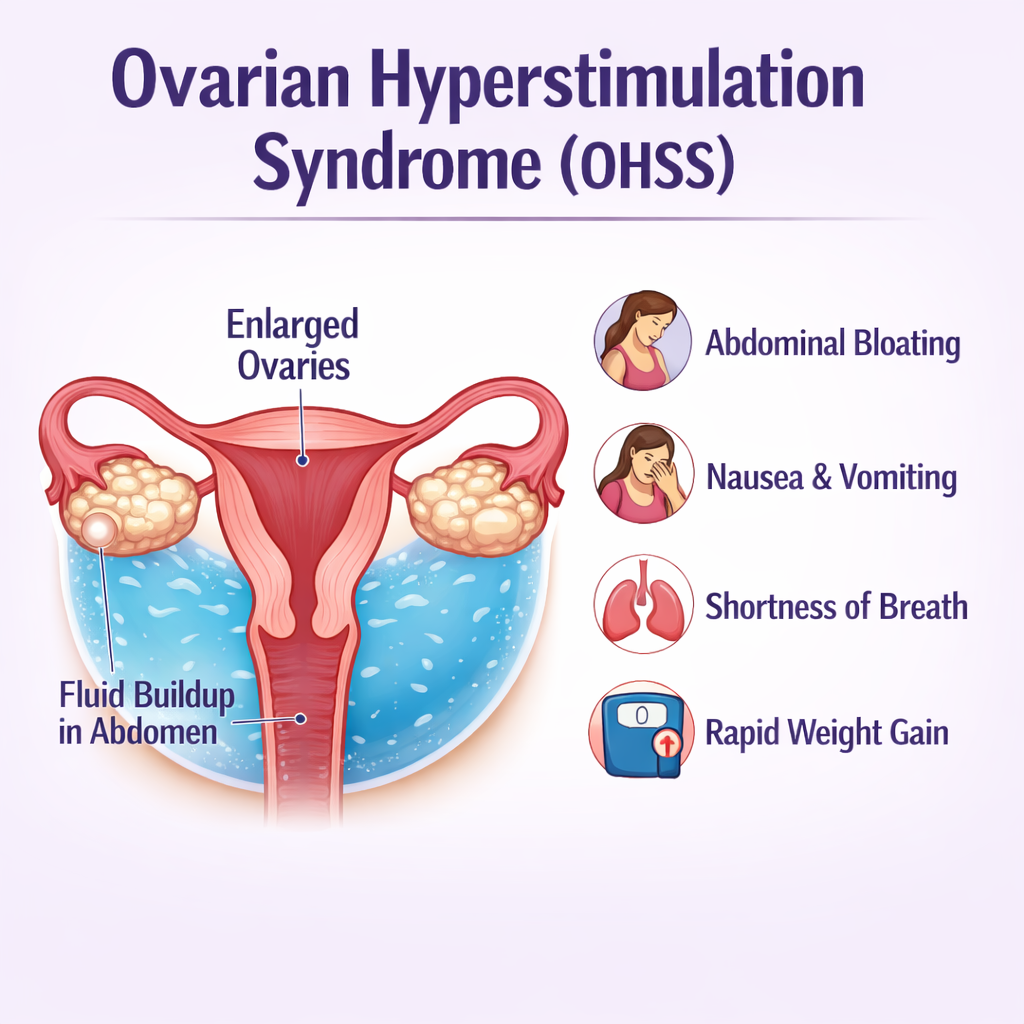
What is Ovarian Hyperstimulation Syndrome?
March 27, 2026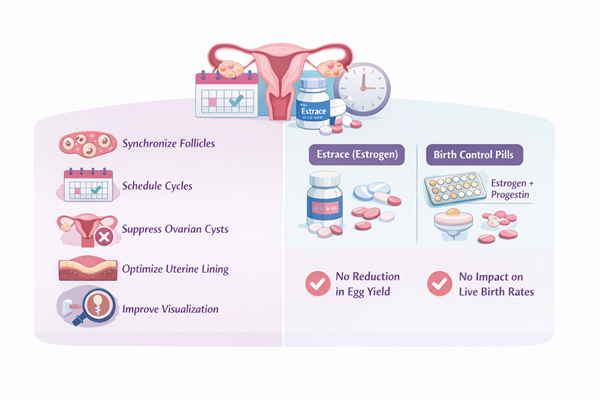
IVF Cycle Priming: Why Estrace or Birth Control?
March 23, 2026
Common Fertility Terms Explained
March 2, 2026We understand that you are likely experiencing a variety of emotions regarding starting a family with the help of a fertility specialist. The first information we impart to new patients is that infertility is common and there can actually be several reasons for infertility in a person or a couple. This is why we start with a full workup, so we have a complete picture with which we can base our treatment plans.

By understanding you and your goals for starting a family, we can provide truly individualized care. We aim to guide you through the process so you can make informed decisions and feel confident throughout your treatment process.

10390 Santa Monica Blvd, Suite 340
Los Angeles, CA 90025
Let’s start your parenthood journey here. Ask us how
 Phone:
 Fax:
Fax: Email:
 VIEW MAP