Talk to us
Phone:310-855-3688
Fax:310-855-3390

 10390 Santa Monica Blvd, Suite 340
 Phone: 310-855-3688
 Fax: 310-855-3390
 Email: contact@beverlyfertility.com


Starting fertility care can be overwhelming, especially when you hear many new medical terms during ultrasounds, lab work, and cycle monitoring. Understanding these commonly used terms can help patients feel more informed and comfortable throughout their treatment. Below are some terms you may hear during early consultations and monitoring visits, and what they mean for your care.
During new patient consultations, the physician may perform an ultrasound to evaluate several things. This includes measuring the size of the uterus, the thickness of the uterine lining, the size of the ovaries, and antral follicle count (AFC). Antral follicles are small follicles visible in the ovary at the start of a cycle. Each follicle contains a potential egg, so this count helps physicians estimate how the ovaries may respond during treatment.
The physician will also determine whether the uterus is anteverted (AV) or retroverted (RV). An anteverted uterus tilts forward toward the bladder, while a retroverted uterus tilts backward toward the spine. Both are normal variations, but knowing the position can help guide ultrasounds and procedures, such as an embryo transfer.
Before starting a cycle, it is also important to know a patient’s AMH (Anti-Müllerian Hormone) level. AMH is measured through a blood test that helps estimate ovarian reserve, or the number of eggs remaining in the ovaries. This can help physicians estimate how many eggs the ovaries may produce during a treatment cycle. However, AMH is not a direct measure of fertility. Someone can have a normal or even high AMH and still experience infertility. Very high AMH levels can sometimes be associated with polycystic ovary syndrome (PCOS), which can also affect fertility. While many factors contribute to fertility, AMH remains an important value when planning treatment.
Doctors may also recommend “cycle priming” with medications such as birth control pills (OCPs) or Estrace before starting a cycle. These medications temporarily quiet the ovaries, so follicles start from a more even baseline. This helps follicles grow more evenly once stimulation medications start and can also help with cycle timing and reducing cyst formation.
Throughout a treatment cycle, the diameter of ovarian follicles is measured during monitoring ultrasounds to track progress. Fertility medications stimulate the follicles to grow, and measuring
their size helps physicians determine how the ovaries are responding. These measurements guide medication dose adjustments and help determine when a patient may be ready for a trigger shot to induce ovulation.
Sometimes, you may also hear the doctor mention a corpus luteum and provide a measurement in millimeters, similar to how follicles are measured. The corpus luteum forms from a follicle after it releases an egg during ovulation, so identifying and measuring it can give information about where you are in your menstrual cycle. The corpus luteum produces progesterone, a hormone that supports the uterine lining in early pregnancy. If pregnancy does not occur, the corpus luteum eventually breaks down and progesterone levels fall.
Fertility treatments involve many tests, ultrasounds, and medical terms that may feel unfamiliar at first. Understanding these common terms can help you better follow what your care team is monitoring and why certain decisions are made throughout your treatment. Knowledge is a powerful part of feeling confident and supported during this journey.
If you ever have questions about a term, a test result, or any part of your care, the Beverly Hills Fertility team is always here to listen, explain, and guide you every step of the way.
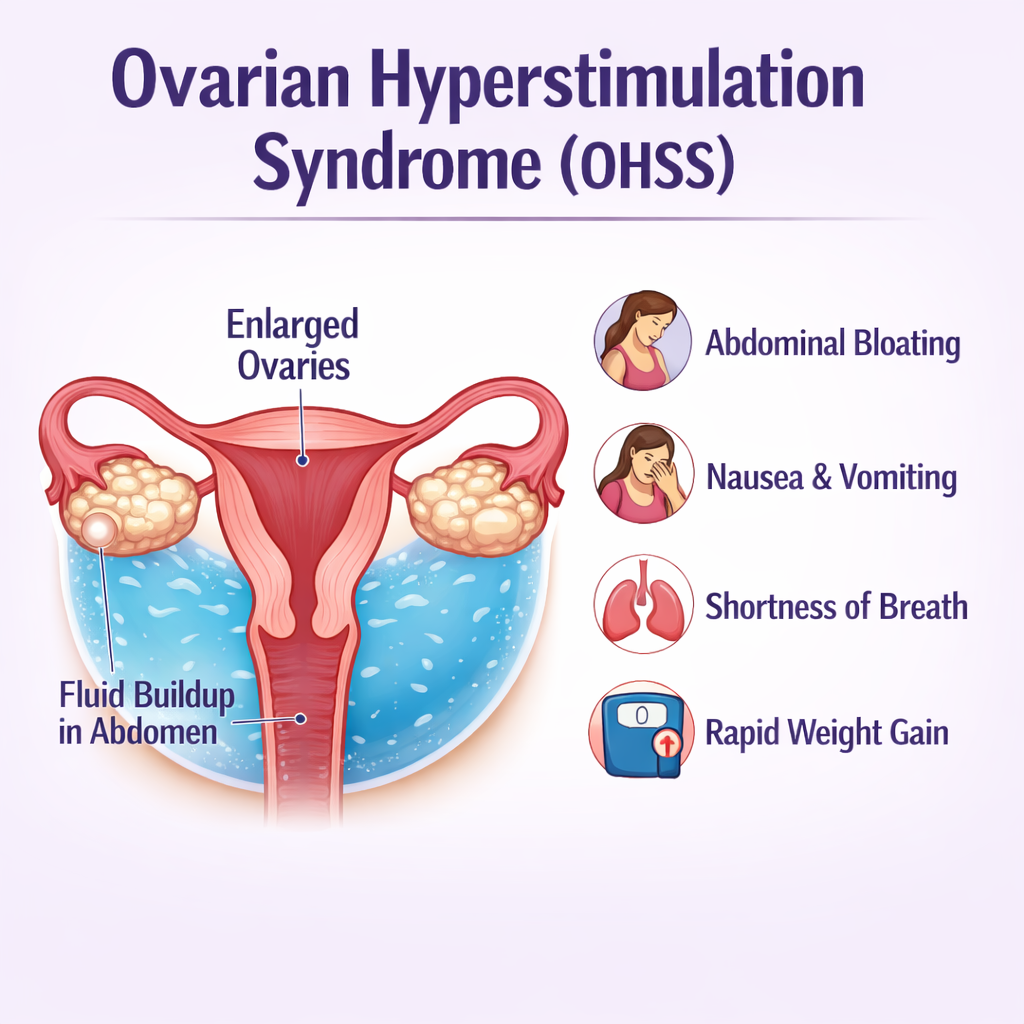
What is Ovarian Hyperstimulation Syndrome?
March 27, 2026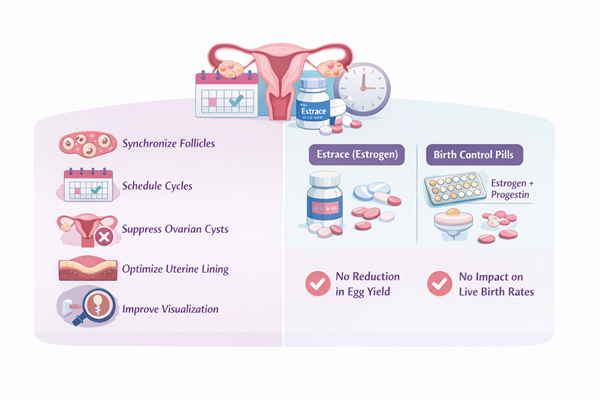
IVF Cycle Priming: Why Estrace or Birth Control?
March 23, 2026
Ovarian Cysts and Fertility: What You Should Know
February 23, 2026We understand that you are likely experiencing a variety of emotions regarding starting a family with the help of a fertility specialist. The first information we impart to new patients is that infertility is common and there can actually be several reasons for infertility in a person or a couple. This is why we start with a full workup, so we have a complete picture with which we can base our treatment plans.

By understanding you and your goals for starting a family, we can provide truly individualized care. We aim to guide you through the process so you can make informed decisions and feel confident throughout your treatment process.

10390 Santa Monica Blvd, Suite 340
Los Angeles, CA 90025
Let’s start your parenthood journey here. Ask us how
 Phone:
 Fax:
Fax: Email:
 VIEW MAP